Jul 2, 2026
AI-Powered Marketing Strategies for Enhanced Customer Engagement
Master AI marketing strategies to boost engagement and drive results. This guide reveals innovative techniques that ensure success in your marketing efforts.
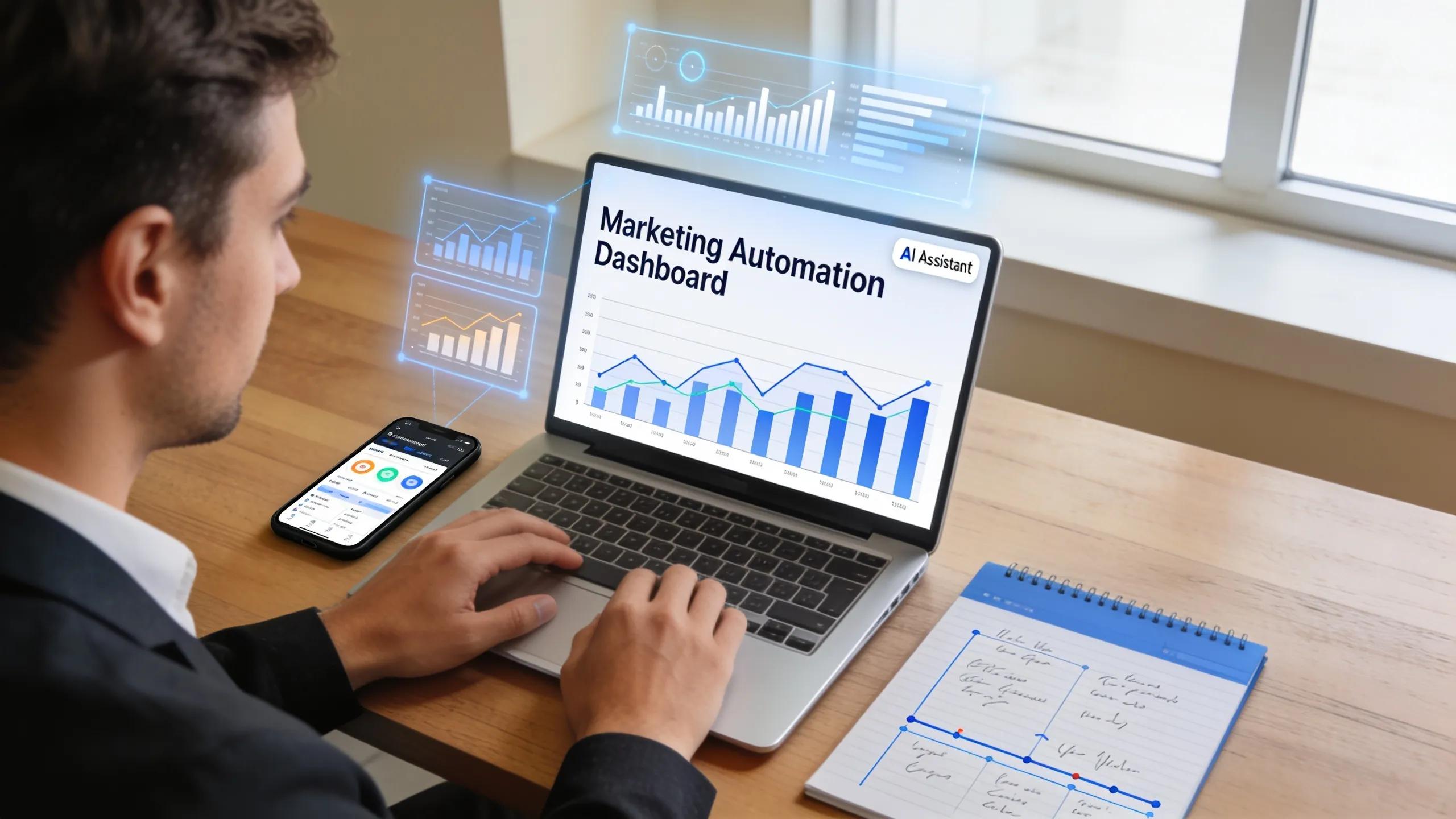
AI Marketing Automation Tools Driving Enhanced Customer Engagement Strategies
By Agnessa Slobodchikov, Azurea Digital
This article reviews how AI-driven marketing automation improves customer engagement by combining predictive modelling, generative content, and machine learning analytics. It highlights the core technologies, practical predictive strategies, and personalised campaign workflows that increase relevance and measurement accuracy.
Facing fierce competition for attention, organisations use AI-powered marketing to deliver tailored communications, precise audience segmentation, and automated workflows that reduce manual effort and improve targeting. The goal here is practical guidance for deploying AI marketing automation to enhance engagement.
Key Takeaways
AI marketing automation creates personalized, targeted campaigns from data-driven analysis.
Core technologies: behavioral intelligence, real-time optimization, and compliance integration.
Automation delivers timely, relevant content that matches customer preferences.
Predictive strategies use historical data to forecast behavior and refine segmentation.
Generative AI produces creative variants at scale to support testing and iteration.
Automated segmentation and targeted messaging increase engagement.
Machine learning mines interactions to spot trends and optimise tactics.
Integrating AI insights helps businesses adapt strategies and stay competitive.
How Do AI Marketing Automation Tools Optimize Customer Engagement?
AI marketing automation ingests large datasets, applies predictive models, and orchestrates campaigns to improve relevance. These systems detect behavioural patterns and preference signals to design targeted campaigns, support rapid creative testing, and enable real-time adjustments that boost impact.
Implementation typically produces measurable gains in engagement metrics. Azurea Digital offers generative marketing optimisation services to help organisations operationalise these strategies.
What Are the Key AI Technologies Used in Marketing Automation?

Three technologies are central: behavioural intelligence to model decision drivers, real-time optimisation for live campaign tuning, and compliance integration to meet regulatory requirements.
Behavioral Intelligence: Uses analytics to infer consumer decision processes and personalise outreach.
Real-Time Optimization: Monitors performance and enables immediate adjustments to improve results.
Compliance Integration: Embeds governance controls so campaigns meet regulatory and privacy requirements.
Together these technologies create a responsive marketing architecture that balances relevance with governance.
How Does Automation Improve Personalization and Customer Touchpoints?
Automation maps observed behaviour to delivery rules and schedules, ensuring consistent personalised content across channels. Faster content production shortens the gap between insight and execution, producing touchpoints that are timely, contextually relevant, and scalable.
Which Predictive Marketing Strategies Increase Engagement Metrics?
Predictive strategies model transaction and interaction data to prioritise high-value segments. They combine refined segmentation, dynamic content that adapts to segment attributes, and automated real-time adjustments to respond to behavioural shifts, improving conversion probability and resource allocation.
How Does Predictive Analytics Forecast Customer Behaviors?
Predictive analytics applies statistical and machine learning models to past purchase histories, engagement events, and channel responses to estimate propensity and timing, so marketers can present offers when conversion likelihood is highest.
What Metrics Demonstrate the Impact of Predictive Marketing?
Measure conversion rates, customer acquisition cost (CAC), engagement metrics, and lift within targeted segments. These indicators show model performance and guide iterative optimisation of segmentation and content.
What Are Effective Personalized Marketing Campaigns Powered by Generative AI?
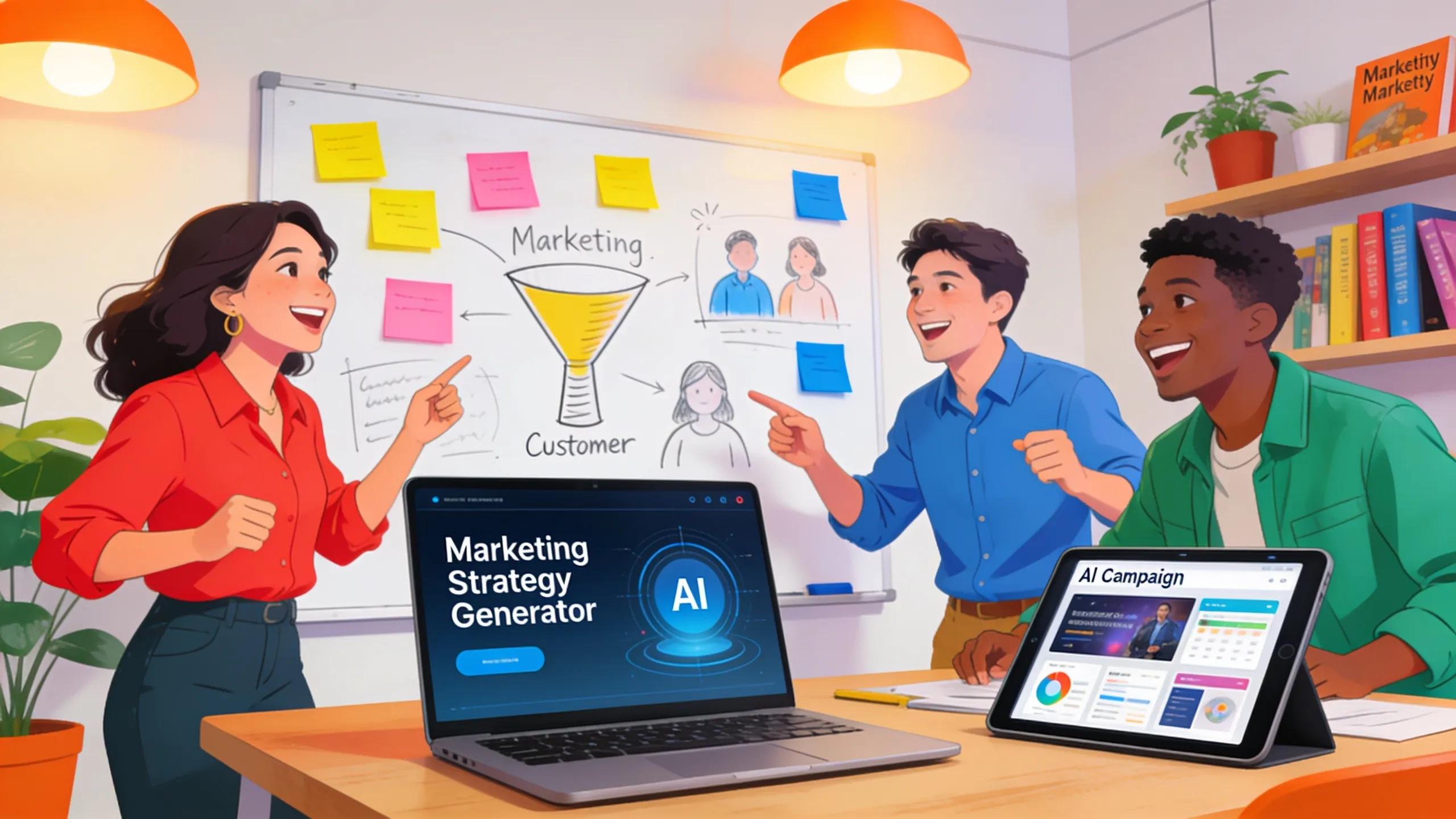
Generative AI automates large-scale production of creative variations, enabling systematic A/B testing, faster hypothesis validation, and reduced time-to-market for new creative iterations.
Producing bespoke content at scale is a core advantage of generative AI within personalised marketing workflows.
Generative AI for Personalized Marketing
This source examines generative artificial intelligence applications in marketing and documents the utility of GAI-derived insights for personalisation.Generative artificial intelligence in marketing: Applications, opportunities, challenges, and research agenda, N Kshetri, 2024
How Does Generative AI Innovate Campaign Content Creation?
Generative models produce tailored copy and creative variants for segment-specific needs. Human review is still required to ensure brand alignment, tone, and compliance with messaging goals.
Which Personalization Techniques Lead to Higher Engagement Rates?
Effective approaches include automated segmentation, targeted messaging frameworks, and customised offers. Categorising users by behavioural and demographic signals enables delivery of content that aligns with intent and raises engagement.
How Can Machine Learning Marketing Optimization Enhance Customer Engagement Analytics?
Machine learning uncovers patterns in interaction data and quantifies drivers of engagement. Those insights help prioritise interventions, refine targeting, and allocate resources to tactics with measurable returns.
What Role Does Machine Learning Play in Real-Time Engagement Analysis?
Machine learning ingests high-velocity data streams to surface evolving signals and trends, supporting timely decisions and more accurate targeting as behaviour shifts.
How Are AI-Derived Insights Integrated Into Marketing Decision-Making?
Integration requires translating model outputs into actionable rules for campaign execution. By extracting key signals, marketers can adjust segmentation, creative, and cadence. For tailored generative marketing solutions, book a consultation to evaluate business requirements and implementation paths.
Frequently Asked Questions
What are the benefits of using AI marketing automation tools?
They boost efficiency, deepen customer insights, and increase the precision of personalised communications while freeing teams for strategic work.
How does machine learning differ from traditional marketing analytics?
Machine learning models adapt with new data and capture complex relationships, enabling improved predictions and real-time adjustments compared with static, rule-based analytics.
Can small businesses benefit from AI marketing automation?
Yes. Scalable analytics and automated campaigns help small businesses reduce manual effort, lower costs, and deliver targeted outreach that improves engagement for the resources available.
What challenges might businesses face when implementing AI in marketing?
Challenges include technical capability, data quality and integration, and privacy compliance. Successful implementation needs staff training, data governance, and ethical controls.
How does real-time optimization work in AI marketing?
Real-time optimisation monitors performance and interactions, recommending or applying adjustments to content, targeting, or budgets to maintain relevance and improve ROI.
What metrics should be monitored to evaluate AI marketing effectiveness?
Track engagement and conversion rates, CAC, and lifetime value, plus supporting KPIs like click-through, bounce, and retention to guide refinements.
How can businesses ensure ethical use of AI in marketing?
Ensure transparency about data use, strong privacy practices, bias mitigation, customer controls, algorithmic audits, and compliance with data protection rules.
Conclusion
AI marketing automation enables personalised, targeted campaigns supported by data-driven insights. With appropriate governance and processes, these technologies can improve conversion outcomes and strengthen customer relationships. Organisations should assess AI solutions against objectives and data capabilities to select the best implementation path.