Jul 2, 2026
Improving Conversion Rates With Generative Engine Optimization
Unlock your sales potential with innovative generative engine optimization insights. Leverage data-driven strategies to drive results and elevate your business.

Improving Conversion Rates With Generative AI for Conversion Optimization
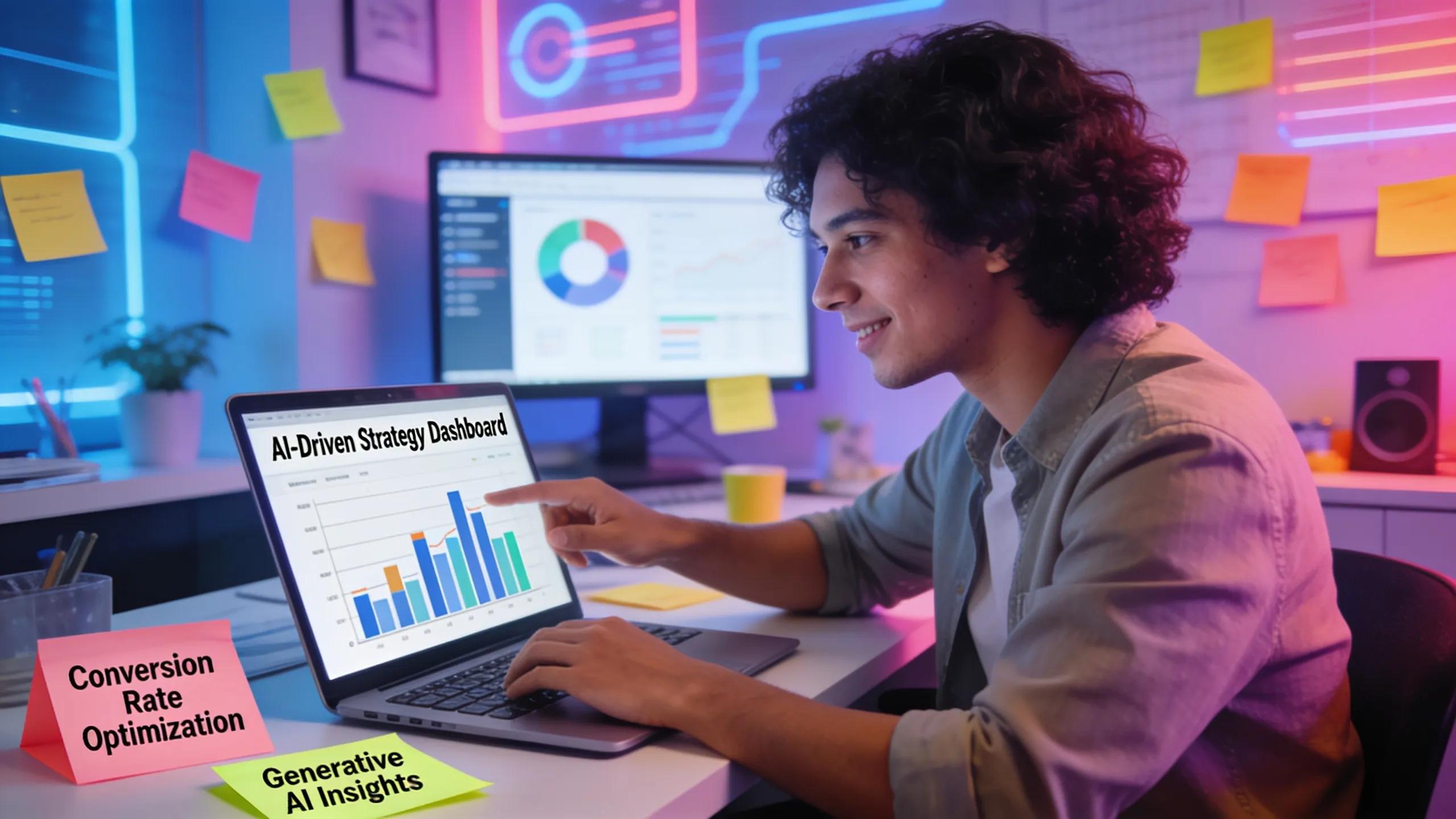
By Agnessa Slobodchikov, Azurea Digital
Digital marketing is evolving and improving conversion rates remains a core objective. Generative Engine Optimization (GEO) restructures content to align with AI search algorithms and citation behaviours. This article outlines how generative AI techniques can boost conversions and summarises practical strategies and supporting case evidence for operational use.
Organisations with static conversion metrics are evaluating GEO and related AI interventions. Below we review GEO mechanics, core strategies, representative case evidence, and AI-enhanced behavioural marketing tactics that support conversion gains.
Key Takeaways
Generative Engine Optimization (GEO) uses AI to structure content for better visibility and higher conversions.
Effective GEO tactics: semantic structuring, natural keyword use, and timely content updates.
Case studies report conversion uplifts in healthcare, legal, and SaaS when GEO principles were applied.
AI-driven marketing raises sales via behavioral targeting, automated recommendations, and ongoing analytics.
Automation and adaptive models optimise real-time conversion and customer interactions.
Ethical AI deployment requires compliance, transparency, and robust data protection.
Generative AI can enhance conversion optimization through Generative Engine Optimization (GEO), which focuses on structuring content to be cited by AI search engines. Here are specific strategies and techniques:
GEO formats and annotates content so algorithmic agents can evaluate and reference it more easily. The approach emphasises semantic clarity, consistent signals, and modular content to improve indexing and reuse by AI systems.
Core implementation practices include clear semantic markers, consistent topical framing, and processes for regular validation and refresh.
Content Structuring: Organise content into clear semantic blocks so AI and users can quickly find intent and value.
Use of Keywords: Integrate relevant keywords naturally to signal topical relevance without keyword stuffing.
Dynamic Content Updates: Refresh content on a schedule or when signals change to keep pages current and citable.
When GEO is integrated into a broader digital marketing framework, organisations can expect measurable conversion improvements. Azurea Digital applies these principles to improve lead generation and conversion outcomes.
Case Studies and Effectiveness
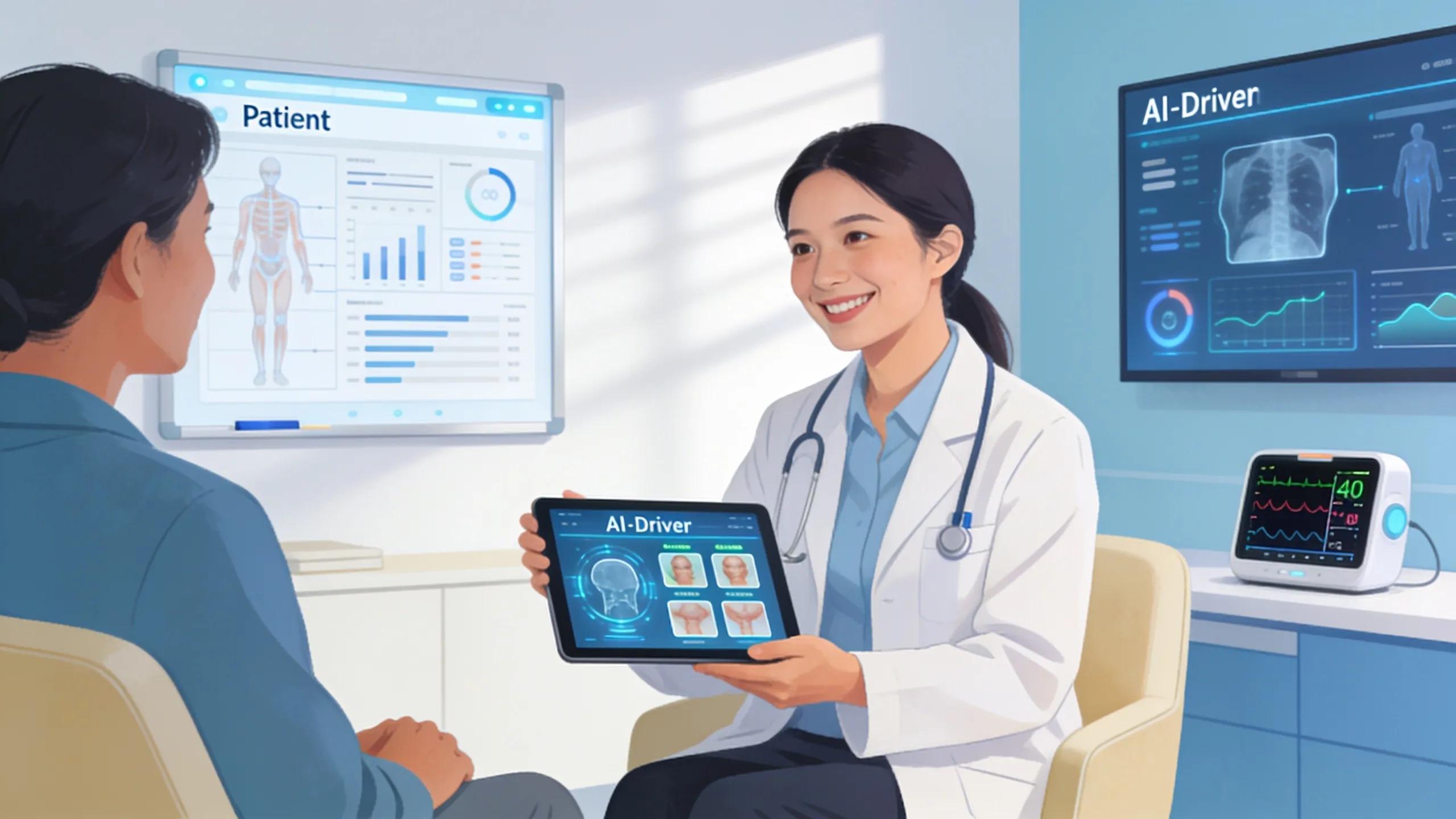
Reviews of implementations show GEO-aligned practices delivering measurable uplifts in conversion metrics across sectors.
For instance:
Healthcare Sector: A health tech firm restructured content using GEO and saw increased appointments within months.
Legal Services: A law firm using AI-driven updates improved lead generation and intake quality.
SaaS Companies: A software provider applied behavioural insights and increased subscription conversions.
These examples demonstrate GEO’s cross-industry applicability and guide similar operational decisions.
What Are Generative Engine Optimization Techniques in AI-Driven Marketing?
GEO techniques focus on increasing content relevance for both humans and algorithmic systems via intent alignment, data interoperability, and modular design to enable reuse and better indexing.
Keyword Optimization: Use targeted keywords in context to match user intent and AI signals.
Semantic Structuring: Apply structured data and clear sections so search and AI systems can parse content.
Content Personalization: Tailor content to audience segments to boost engagement and conversion potential.
Consistent application of these techniques helps organisations leverage AI more effectively and improve marketing outcomes. Azurea Digital promotes integrating GEO into marketing stacks to raise conversion performance.
Which AI-Driven Marketing Strategies Most Effectively Boost Sales Conversions?
Proven AI strategies emphasise behavioural inference, automated decisioning, and continuous measurement to deliver relevant content at scale.
Behavioral Targeting: Use analytics to identify patterns and serve messages that resonate with user needs.
Automated Recommendations: Automate product or content recommendations to increase upsell and cross-sell rates.
Performance Analytics: Monitor campaigns continuously to adjust tactics and improve conversion outcomes.
These approaches combine predictive models and automation to better match marketing execution to observed customer behaviour.
How Does Automation Optimize Real-Time Conversion Performance?
Automation executes decision rules and adaptive model updates without manual steps, reducing delay between signal detection and response.
This optimization includes:
Adaptive AI Algorithms: Real-time models adjust messaging and offers based on user signals.
Customer Interaction Management: Chatbots and automated responses handle inquiries instantly, improving experience.
Data-Driven Decision Making: Real-time analytics enable quick, informed adjustments that lift conversion rates.
Operationalising automation establishes an agile environment where systems respond to temporal patterns and continuously optimise conversions.
What Behavioral Marketing Techniques Are Enhanced by AI?
AI scales inference from historical and current data to improve segmentation and targeted delivery based on predicted user states.
Predictive Analytics: Forecast likely behaviours to prioritise high-value actions.
Personalized Content Creation: Generate tailored content that improves engagement and conversion likelihood.
Dynamic Pricing Models: Adjust pricing and offers based on behaviour and demand signals.
Using these techniques enables more targeted campaigns with better expected returns and improved conversion efficiency.
Which Case Studies Demonstrate Conversion Rate Increases With AI?
Documented cases report improvements in conversion metrics after AI adoption across different industries.
A restaurant chain used AI analytics to increase online reservations by optimising messaging.
An e-commerce site added ML-powered recommendations and saw higher sales transactions.
A travel agency deployed chatbots and increased bookings through instant, tailored responses.
These cases provide scalable examples for organisations with similar customer profiles.
How Can AI-Driven Content Personalization Improve Customer Journey and Lead Quality?
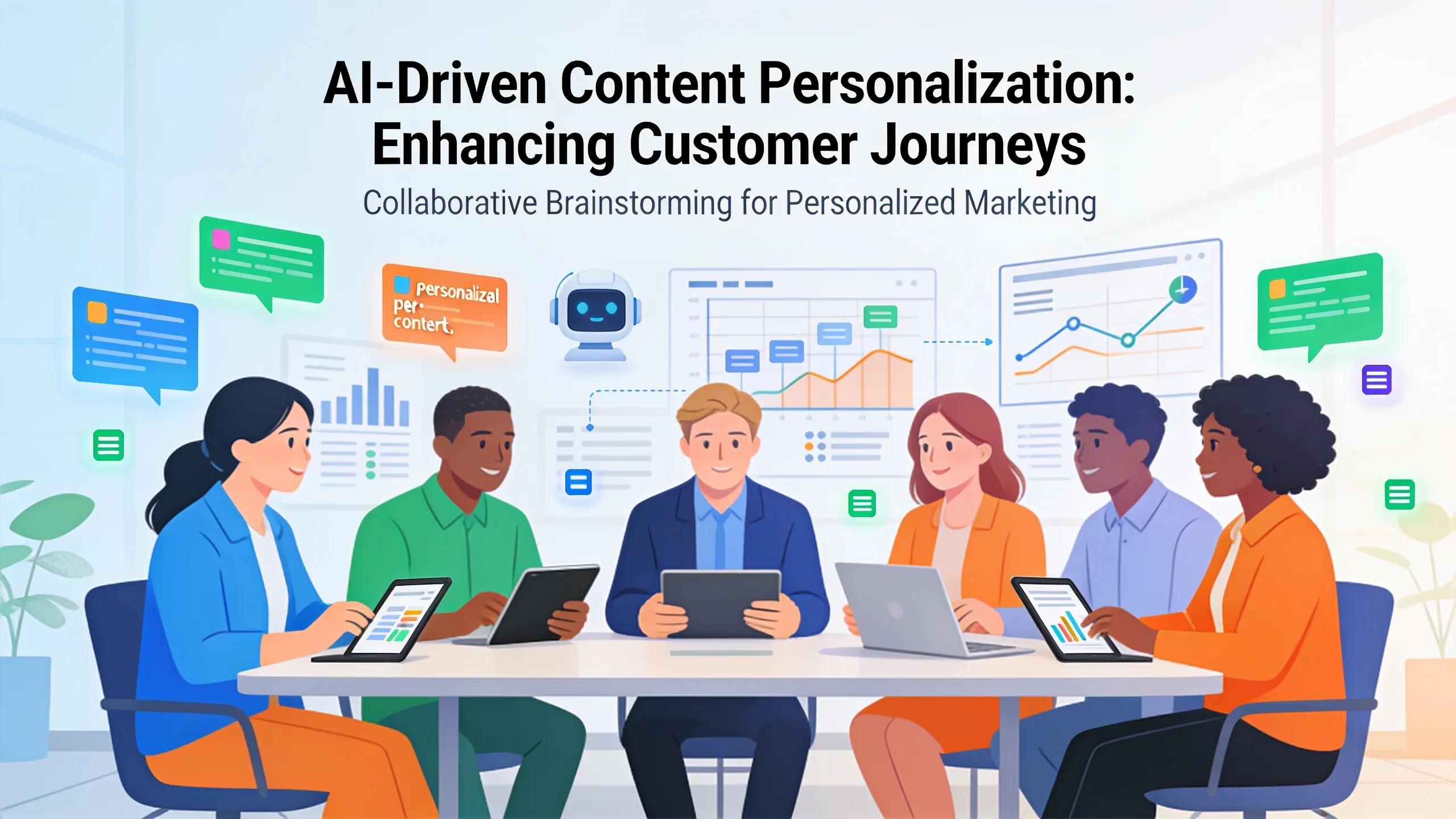
Personalization adapts touchpoints to user attributes and signals, increasing relevance and reducing friction. The goal is to improve lead qualification and conversion propensity.
Behavioral Insights Application: Use behavior data to deliver more relevant content.
Dynamic Content Strategies: Adjust messaging in real time to align with current user needs.
Customer Journey Mapping: Identify key touchpoints to maximise engagement and conversion.
Applied systematically, these approaches improve user experience and lead quality, supporting higher conversion rates.
How Is Ethical AI Usage Ensured in Personalized Marketing?
Ethical AI requires governance that covers regulatory compliance, algorithmic transparency, and data protection to maintain trust and mitigate legal risk.
Compliance with Regulations: Follow data protection rules and handle customer data responsibly.
Transparency in AI Usage: Communicate how AI affects customer interactions to build trust.
Data Protection Measures: Apply privacy controls that protect consumer data and improve confidence.
Formal ethical safeguards support consumer protection and sustainable deployment of AI-driven marketing practices.
To explore how AI can elevate your strategies and drive conversions, book a call with our experts.
Frequently Asked Questions
What industries can benefit most from Generative AI in conversion optimization?
Sectors with high digital interaction—healthcare, legal, SaaS, e-commerce, travel, and finance—see immediate potential where personalised content and behavioural insights affect transactions.
How can businesses measure the impact of Generative AI on their conversion rates?
Measure impact with analytics and experiments: pre/post conversion rates, engagement, bounce rate, session duration, and A/B testing to compare AI-optimised content versus controls.
What challenges might businesses face when implementing Generative AI for conversion optimization?
Common challenges include limited expertise, organisational resistance, and upfront investment. Address these with strategic planning, targeted upskilling, and vendor partnerships while ensuring compliance.
Can small businesses effectively utilize Generative AI for marketing without significant resources?
Yes. Small businesses can use scalable third-party platforms and managed services, prioritise targeted campaigns, automate routine tasks, and apply cost-effective tools for incremental gains.
What role does consumer feedback play in shaping AI-driven marketing strategies?
Consumer feedback refines model inputs and validates segments. Incorporate feedback into retraining and feature selection to improve relevance and performance.
Is Generative AI effective at improving customer retention rates as well as conversions?
Generative AI aids retention through personalised communications and predictive interventions like targeted recommendations and automated follow-ups, which can sustain engagement and improve retention.
Conclusion
Generative Engine Optimization (GEO) helps organisations improve discoverability and conversion outcomes with methodical, AI-driven content practices. Semantic structuring, dynamic updates, and governed personalisation support measurable gains while maintaining ethical standards. Organisations aiming to operationalise GEO should align implementation with strategic objectives and compliance requirements, and consider expert support where needed.